Hearing Loss: Causes, Types, Symptoms & Treatment Options
Learn about hearing loss, common signs, hearing tests, hearing-aid options and when professional hearing-care support may be helpful.
Take Online Hearing TestBook AppointmentWhat Is Hearing Loss?
Hearing can change in different ways
Hearing loss means a reduced ability to hear sounds clearly or understand speech. It can affect one ear or both ears, certain frequencies, or particular listening environments.
These experiences alone do not establish a diagnosis.
Common Signs of Hearing Loss
These signs do not prove hearing loss.
Asking people to repeat
Frequently asking others to repeat themselves.
Higher volume
Increasing television or phone volume.
Groups are difficult
Difficulty following speech in groups.
Noisy places
Difficulty understanding speech in noise.
Speech sounds unclear
People may sound muffled or as if they are mumbling.
Telephone difficulty
Difficulty understanding speech on the telephone.
Missed sounds
Missing doorbells, alarms or other sounds.
Types of Hearing Loss
Conductive Hearing Loss
Sound transmission through the outer or middle ear is affected.
Sensorineural Hearing Loss
Involves the inner ear or auditory pathways.
Mixed Hearing Loss
Has both conductive and sensorineural components.
Degree of Hearing Loss
Classification should be based on an appropriate hearing evaluation/audiogram.
Common Causes of Hearing Loss
Age-related changes
Hearing may change gradually with age.
Loud-noise exposure
Long-term or significant noise exposure can affect hearing.
Ear infections
Some infections can affect hearing.
Ear-related conditions
Different ear conditions can contribute.
Certain medications
Some medicines can affect hearing.
Genetic factors
Some hearing difficulties can have genetic contributors.
Head/ear injury
Injury can sometimes affect hearing.
Other medical causes
Other factors may contribute and require evaluation.
Hearing Loss in Children
Early attention can be important
Hearing concerns in children may require prompt professional assessment.
- Delayed speech/language development
- Difficulty responding to sounds
- Difficulty following spoken instructions
- Unclear speech where hearing may be a contributing factor
How Is Hearing Loss Evaluated?
Case history
Discussion of hearing concerns and relevant background.
Otoscopy
Ear examination where appropriate.
Pure-tone audiometry
Measures hearing sensitivity across frequencies.
Speech testing
May assess how speech is heard or understood.
Tympanometry
Where indicated, helps evaluate middle-ear function.
Other tests
Additional tests may be used when clinically required.
What Is an Audiogram?
A visual map of hearing test results
An audiogram records hearing thresholds across different frequencies for each ear. It helps a hearing professional describe the degree and pattern of hearing loss and discuss appropriate next steps.
Online Hearing Test
Hearing Loss Treatment & Support
Medical treatment
Where appropriate, treatment may address an underlying cause.
Hearing aids
May help many people with certain types and degrees of hearing loss.
Assistive technology
May help in specific communication situations.
Communication strategies
Practical approaches can support conversations.
Professional counselling
Guidance can help people understand options.
Follow-up care
May include review, adjustment and service.
Hearing Aids for Hearing Loss
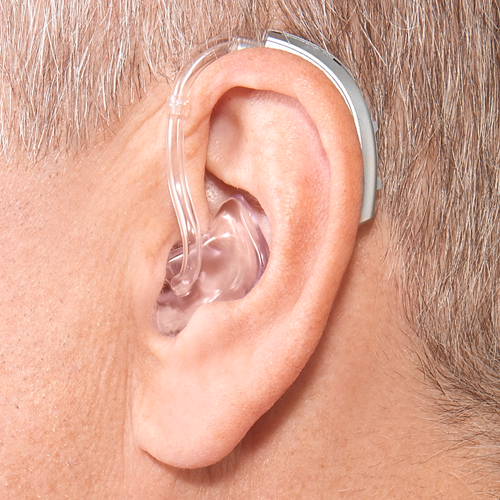
Choosing is personal
Selection can depend on hearing requirements, lifestyle, degree/type of hearing loss, comfort, technology, budget and professional recommendation.
Hearing Aid Buying GuideCompare Hearing AidsWhy Professional Hearing Care Matters
Accurate assessment
Appropriate testing helps describe hearing.
Recommendation
Recommendations can be matched to requirements.
Fitting
Devices may require appropriate fitting.
Programming
Devices can be programmed where applicable.
Follow-up & adjustment
Follow-up can address comfort and listening experience.
After-sales support
Service can be an important part of hearing care.
When Should You Get Your Hearing Checked?
Have Questions About Your Hearing?
AI Hearing Assistant
AI-generated information is for general guidance and does not replace professional assessment or medical advice.
Frequently Asked Questions
What are the common signs of hearing loss?
Possible signs include asking people to repeat themselves, increasing volume, difficulty in groups/noise, telephone difficulty and missing everyday sounds. These do not diagnose hearing loss.
What are the different types of hearing loss?
Conductive, sensorineural and mixed hearing loss are the main educational categories.
Can hearing loss affect one ear only?
Yes. Hearing difficulty can affect one ear or both ears.
Can hearing loss be treated?
Management depends on the cause and type and may include medical treatment where appropriate, hearing aids, assistive technology and communication support.
When should I get a hearing test?
Persistent difficulty hearing or understanding speech is a reason to consider evaluation. Sudden or rapidly developing changes need prompt medical attention.
What is an audiogram?
An audiogram is a graphical representation of hearing test results across frequencies for each ear.
Can hearing aids help with hearing loss?
They may help many people with certain types and degrees of hearing loss. Suitability depends on individual assessment.
What is the difference between an online hearing test and a professional hearing evaluation?
An online screening provides preliminary information, while professional evaluation can include case history and appropriate tests selected for the individual.
Can children have hearing loss?
Yes. Children can have hearing difficulties for different reasons and concerns may warrant professional assessment.
Does hearing loss always get worse?
No single course applies to everyone. Changes depend on the underlying cause and individual circumstances.
Concerned About Your Hearing?
Take the next step with Aai Speech & Hearing.
Online Hearing TestBook AppointmentShop Hearing Aids